What made V.I. great
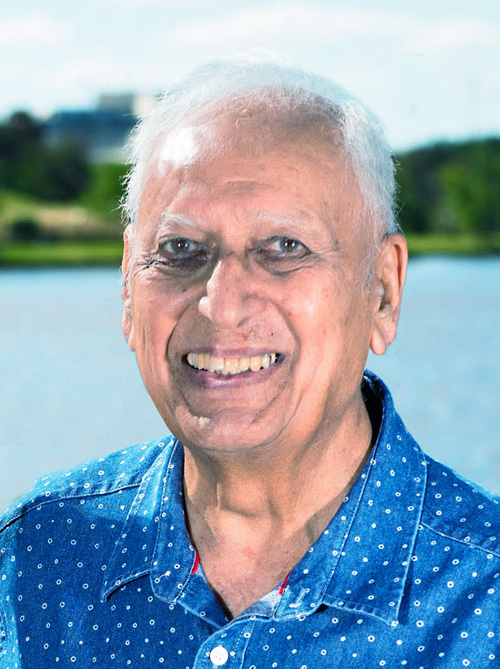
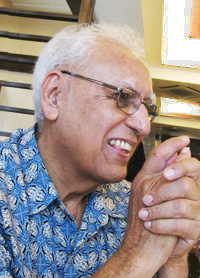
Isher Sekhon
Isher Sekhon
|
At the V.I. Vancouver Reunion, August 16, 2013 Thank you for inviting me
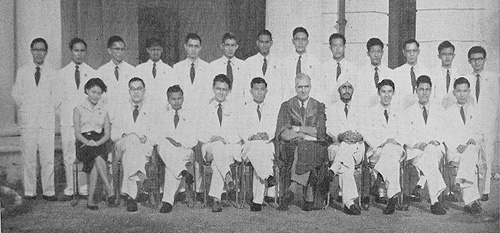
Before I go on however I would like to acknowledge the presence of the oldest VI attendee. He is none other than our illustrious Mr Khong Kim Kong who left VI in 1952. He was one of the selected General Templer's Twelve (which group comprised the top 12 to form the beginning of our Malaysian Armed Forces). Mr Khong Kim Kong was also the one who led the Merdeka Parade on Malaya's Independence Day in 1957. Students like him and M. Shankar, Saran Singh Sekhon, Ronnie McCoy, Zain Azraai and Mohd Amin set an example for us to follow. Their contributions laid some of the infrastructure, such as the establishment of various societies 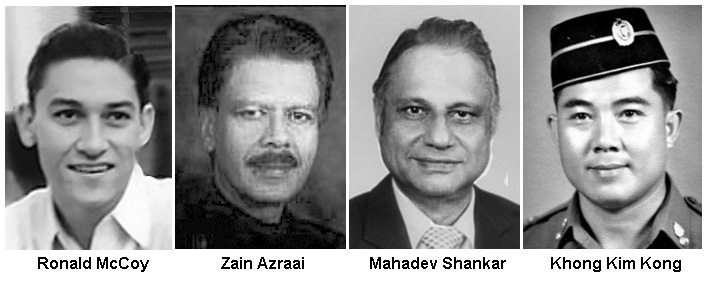
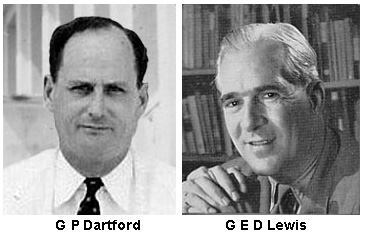
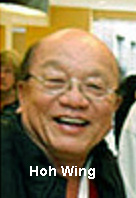
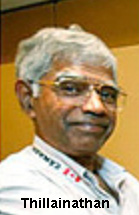
Given my age, I must warn you of my shortcomings: 1. Firstly, I have to use my old whisky-pickled brain to try to recollect events that took place over 50 to 60 years ago! So if I get some of the facts wrong you can blame it on Mr Single Malt Whisky, or Mr. Alzheimer or my pure senility! 2. Secondly, as your senior, my experience of the VI will not be as recent as yours - it could be of more historical interest. But I see amongst us some fellow Yap Kwan Seng (YKS) Housemates: Hoh Wing (the 1958-1959 VI Swimming Captain), Lam Ah Lek (the 1960-1961 VI Swimming Captain), Ho Yik Chee, David Tan Kee Keong, Sieh Kok Ying. We all know, of course, that YKS was the best House, wasn't it? I am sure I will have some shared memories with them. Seriously, why was VI such a special school? Why was it so famous and outstanding? Why do we bother to get together so often to celebrate our old school or should I say to celebrate the values of our old school? What made VI the great school it was, especially between the early 1950s to the late 1960s? I suggest that it was a combination of factors: 1. We had a string of great Headmasters; 2. We had a group of largely dedicated teachers, many of whom were former VI students who carried with them a belief in the values of the school; 3. We were a competitively selected group of students, harvested from its two feeder schools - Batu Road School and Pasar Road School. Later this included selecting best girls for the Sixth Form from St. Mary's (for example, Leong Siew Mun and Maureen Siebel in my year), Bukit Bintang Girls School and, later, girls from the Methodist Girls School; 4. The school pursued a set of values and philosophy that aimed to produce well rounded good citizens. The aim was to develop individuals to their full potential who would serve the community well. The school encouraged competition and the pursuit of excellence. The highest recognition and reward went to those who achieved the best results or standards in their chosen fields; 5. Lastly, we were actively supported by our parents and, in some cases, foster parents (for example, the case of R. Thillainathan here). During my time in the VI (from 1951 to 1957), I was exposed to eight headmasters, of whom only about four were full-time with the others standing in while the regulars went to their home in England for a break. The ones I had most to do with were Mr Dartford and Dr GED Lewis. Mr Dartford supported my application for a teaching scholarship
which I won. But this scholarship was later ripped off me mid-stream after my
I was told that this was due to a change of Government policy favouring Malays! Such a policy change was, unfortunately, to affect all of us directly or indirectly in the coming years. Fortunately, our supportive VI teachers and headmaster gave me temporary teaching positions in VI during my University vacations. This helped to pay for part of my University fees. And, in the true VI tradition of those times, I was a diligent teacher and did not spare the rod whenever any of my students did not do the homework assigned to them! I had more interaction with Dr GED Lewis. He was an enthusiastic
supporter of rugby
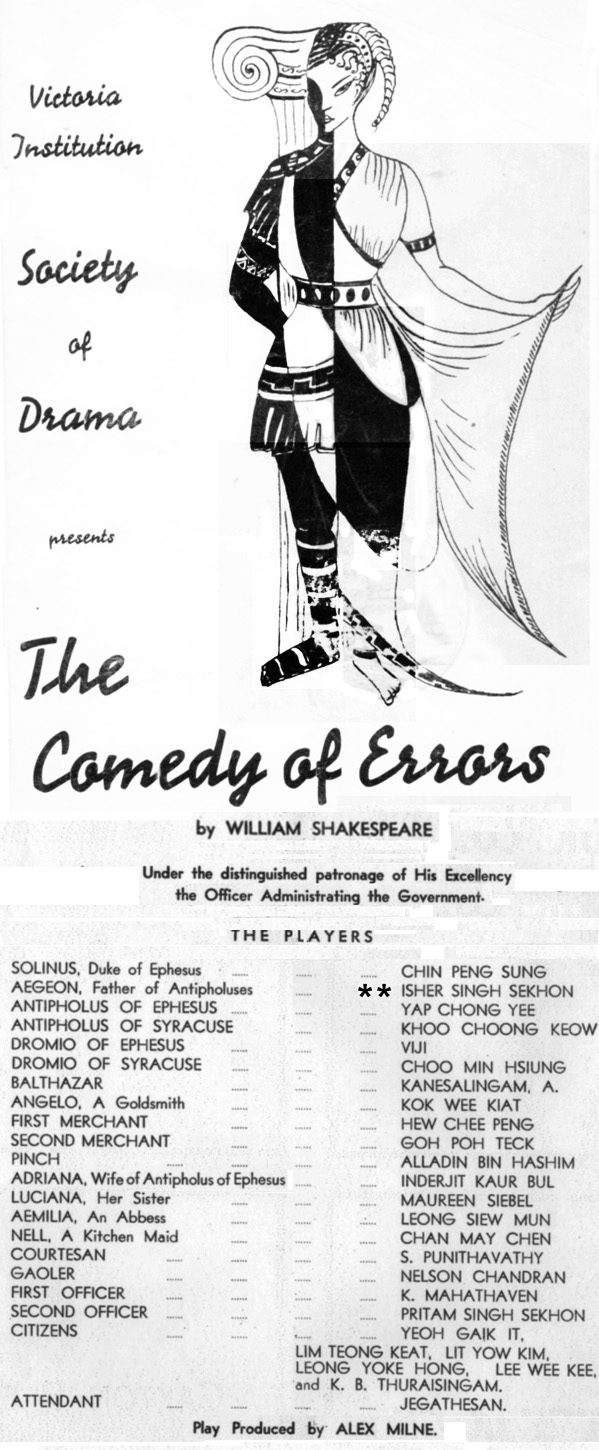
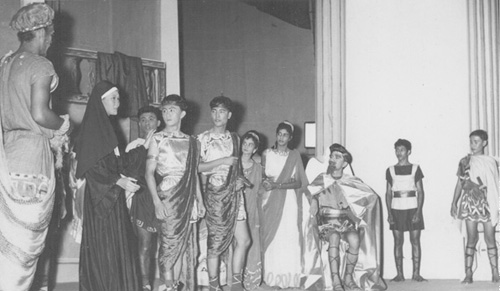
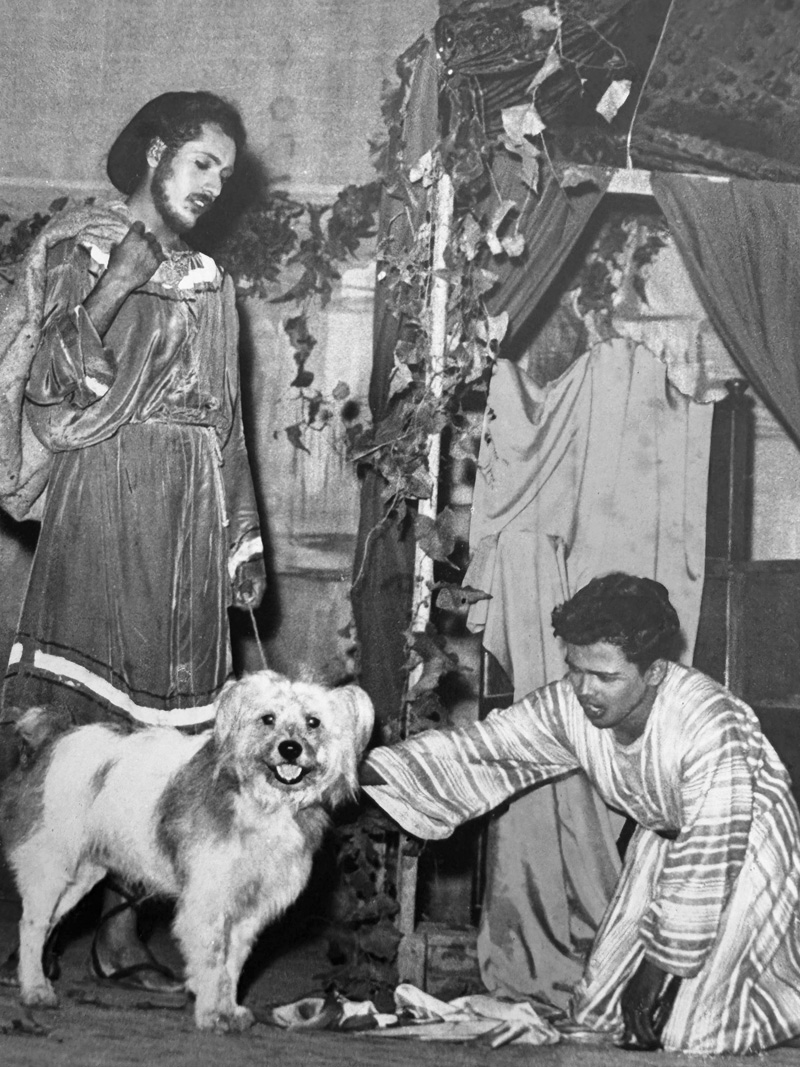
I also remember Dr Lewis lending me his shirt when I lost the
costume for my role as the Archangel in Tobias and the Angel, a play directed
by our teacher Yvonne Stanley, who is now my friend and lives in Sydney. As students
we did wonder if Dr Lewis was just playing the role of a supportive Headmaster, or
I also remember Dr GED Lewis giving me fatherly advice to be more humble. Leong Siew Mun will confirm that I was a fairly pushy person in my younger days! Dr Lewis told me that some of the world's greatest leaders were humble people. As I had no intention of becoming a world leader I continued to struggle to learn this lesson of humility until, of course, I met my lovely wife, Norah Liew Mei Len! Now I think I am not only very humble, but also a very obedient person! I also remember bringing up to Dr Lewis some students for disciplining. They were members of the secret society called Gang 21. These students were extorting money from fellow students and were ignoring school hours by trying to leave early. I remember the way Dr Lewis changed from a quiet and pleasant
Dr. Lewis could see that I was taking a personal risk by
confronting these thugs. So it was not surprising when I heard that, in the following
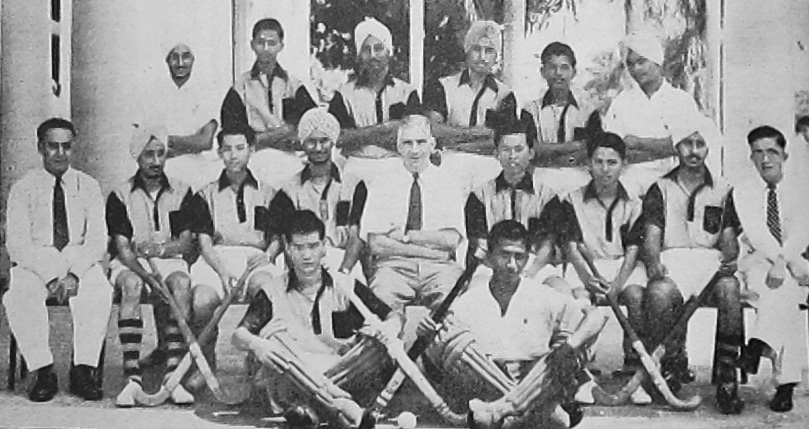
Dr Lewis selected 15 students who had done meritorious service to the school to form Club 21. These were the best sportsmen and leaders of extra-mural activities. I think Hoh Wing who is amongst us today was a member of this exclusive Club 21 - this so-called gang for good, excellence and merit. As I said, our school was then especially great because it had good headmasters, teachers and students who embraced some common values. For example, great importance was given to: 2. Discipline; 3. Excellence in work and play; and 4. Active participation by everyone is some extra curricular activities of interest to them. This emphasis on punctuality, discipline, and the pursuit of excellence
in work or play and the active participation in extra-curricular activities was aimed
at developing well-rounded citizens. Some of the extra-curricular activities included
were debating, scouting, drama, cadets corps, sports,
The school encouraged competition and achievement. For example, a weekly competition was held to select the "Cleanest Classroom of the Week". I remember, as a prefect, going round grading the cleanliness of each classroom, the quality of their shining door hinges, etc. Viewed from today's perspective, these rules must seem to be a bit over the top. But these competitions and other rules of the school, such as uniforms, hours of school. etc. all contributed to encouraging the pursuit of study and excellence in a clean environment. Drop these aims and standards and you end up in the squalor and listless conduct that, I am told, is evident in the building called V.I. today. Many a student pursuing their interest then followed it up later in life, for example, Mahadev Shankar who enjoyed debating and became a lawyer, and later, a judge of the Malaysian High Court. Teachers: On the whole we had a dedicated group of teachers - teachers like Mr Lim Eng Thye (I can still hear him saying, "Laughing means fooling."), Mr Ganga Singh ("John Gilpin was a citizen of credit and renown."), Mr Harry Lau, Mrs Jesudason, Mr. Gorbex Singh, Ms Yvonne Stanley, Dr. Kathleen Jones, Dr. Joginder Singh - many of whom were former VI students who carried with them the love and values of the school. 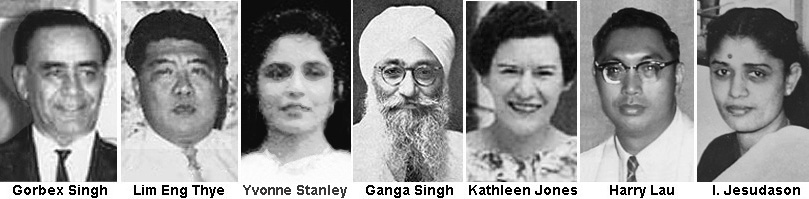
Of course, we also had some slack teachers who did not always prepare their lessons. But as motivated students, we soon learned to pick them out and make up for their shortcomings by putting in extra work ourselves and still get great results! Students: A nice school building, good headmasters and teachers alone would
not have made VI a great school. We, the students, the crème de la
crème from Batu Road, Pasar Road, St Mary's, and BBGS were the other essential
So what made VI great and glorious in 1950s and 1960s were the efforts of the headmasters and teachers who had excellent students to work with. With their dedication they were thereby able to create well-rounded individuals! Most of us have pursued careers we love and contribute in - becoming successful doctors, engineers, lawyers, teachers, professors, accountants, politicians, bankers, soldiers, etc. Post VI - Politics and our future: Having completed our academic and professional qualifications, many of us started working in Malaysia and building our lives and future as exemplary citizens chasing excellence and hoping to be rewarded accordingly. Alas, our post-independence governments unfortunately slowly abandoned some of the key ground rules under which we were trained and hoped to succeed. In my view the most fundamental of these rules, which was abandoned, is for society to reward individuals on the basis of their efficiency. When you abandon this basic principle of rewarding everybody on the basis of how much they added to society's wealth and welfare, you ask for trouble. If you substitute this policy of rewarding efficiency with awarding benefits on the basis of race, you start a downward spiral. With this change of policies, there soon grew within Malaysia a privileged ethnic group of rent seekers, whose efforts were directed in gaining private benefits rather than adding to the aggregate national wealth. Faced with this change of ground rules, many of us who were trained in the golden years of VI opted to: (a) Either, to adapt to the situation and do the best work we could under the new rules. Some of us try to go further and are trying to change the system and society so that it will reward effort and performance appropriately, as well as create a fairer society. Such a society would, at the same time as rewarding efficiency, pick up and help those who are unable to come out of a poverty spiral while trying to do their best in a competitive world. I salute these VI students who have opted to do their best by trying to adapt and change the system for the better from within. Given the vested interests involved, this is, indeed, a difficult task. (b) Others have put up their hands and given up on the system now in Malaysia which they perceive is unfair. Most of these have left Malaysia to pursue their futures overseas in countries such as Singapore, UK, US, Canada, and Australia, much to Malaysia's loss. This loss is not only limited to the generation of Victorians that left Malaysia but that of their descendants. Many of the children of these Victorians are now highly qualified and skilled individuals contributing to the wealth and welfare of other countries. The Present: All of us now continue as well rounded citizens to help society as a whole in our own personal ways - whether as Malaysians in Malaysia, Singaporeans in Singapore, Australians in Australia or as citizens of the US or UK. Our great school and its values continue to live through us. The good work we do benefits the wider world! Our coming together like this as Old Victorians provides us with an opportunity to connect with each other, share our experiences, celebrate our Victorian values and see how we can all continue make it a better world. Let us enjoy each other's fellowship and give cheers to the VI and its values that we all shared and still share together. To VI and all of us - Cheers!
* * * * * * * * * * * * * * * * * * * *
  The V.I. Web Page Updated on November 1, 2026.
|
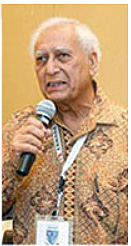 (as one of the oldest of the attendees) to speak to this
lovely group of outstanding former VI students about our old school and our
experiences at it.
 first year in the University of Malaysia - despite my getting very good academic
results.
 and drama, in which I was an active participant. Many of us students who were
active in the Society of Drama did, however, wonder whether Dr GED Lewis's interest
in drama was not colored by the fact that our drama teacher was the lovely and
beautiful Yvonne Stanley!
 had he stripped off his shirt just to impress you know who!
 person talking with me about the issue and then suddenly turning into a raging tiger
whenever the gangster students was brought into his office! He shouted at the Gang 21
members and caned them!
 year after I left VI to go to University, he went deeper into this whole question
of gangs and their members and started the counter to these thugs - the Club 21 of
VI.
 hockey, rugby, cricket etc.
 part of the mix that made VI a big success. I am informed that Dr GED Lewis also
extended the selection net further than these schools to choose the best student for
VI. For example, he selected the top Maxwell Road School student, R. Thillainathan,
to join the VI.